Dyslexia and Me
Over twenty years ago, at age 18, I was diagnosed with dyslexia. At the time, I didn’t fully understand what it meant and I was mainly pleased that I got a free laptop to use at university.
I knew that spelling was hard for me, that reading felt frustrating, and that learning took a little more effort. I was lucky to have parents who set a strong example of hard work and perseverance, always encouraging me to push through academic challenges. Their dedication meant that, despite any challenges, I stayed on top of my work and developed a strong work ethic that carried me through school and beyond.
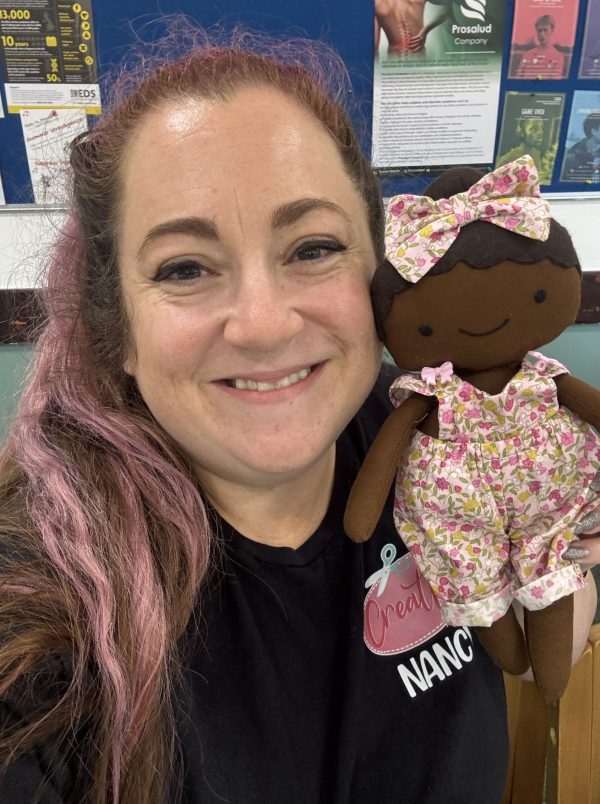
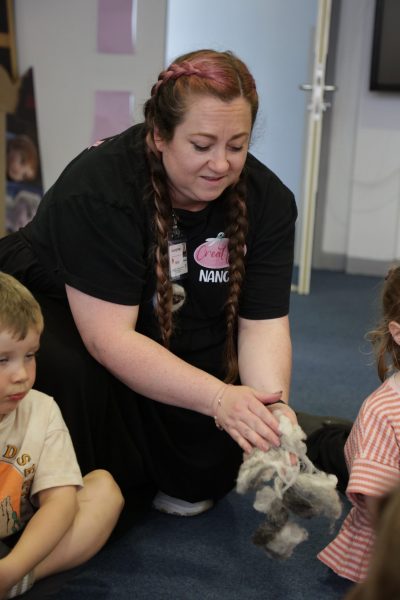

Looking back, I realize dyslexia is more than just bad spelling and grammar. The way it affects learning is often invisible to others. For years, I didn’t understand that some of the things I did while reading; skipping words, guessing meanings, or rereading sentences multiple times were characteristics of dyslexia. I avoided reading for pleasure because it felt exhausting. I’d get lost in paragraphs, misinterpret words, or struggle to grasp the full meaning without going back again and again.
I make what might be called ‘silly mistakes’ and often people will point this out, I don’t mind as I like to correct my mistakes but I used to feel very embarrassed. I’ll often misinterpret texts and respond to whatever I think was said… then I have to apologise for misreading and again I used to feel a wave of embarrassment.
My perspective has shifted. Now, I ask myself: *Does it really matter?* As long as my words convey meaning, people can understand what I’m saying and I can correct myself when I need to… does perfection define my ability to communicate? The answer, I’ve come to realize, is no.
These days, I embrace my dyslexia rather than hide it. I’ll openly say, “I’ve written this proposal, but I’m dyslexic—if anything isn’t clear, please let me know.” I recognise that clarity matters, but I also recognize that dyslexia is part of who I am. For most of my life, I carried embarrassment about something that is simply a different way of processing information. Now, I choose to own my story rather than let it hold me back.
If there’s one thing I’ve learned, it’s that dyslexia doesn’t define intelligence, creativity, or capability. It shapes how I navigate the world, but it does not limit me. And if you’re reading this and relate if you’ve ever felt the sting of self-doubt because of the way you learn know that you are not alone.

Leave A Comment