
If you’ve ever struggled with your mental health and been to counselling or seen a therapist, you’ve probably been encouraged to keep a gratitude journal. On the surface it sounds simple enough, write down a few things you’re grateful for. But when you’re in the midst of ill mental health or navigating life challenges like bereavement, redundancy, or financial stress, gratitude can feel almost offensive. What is there to be grateful for when everything feels heavy?
We live in a world that constantly feeds us messages designed to make us feel inadequate. Through social media, adverts, influencers, and endless content streams, we’re told we don’t have enough, we aren’t enough, and we must keep striving for more. This isn’t an accident. It’s a marketing strategy. If you feel a sense of lack, you’re more likely to spend money trying to fill it.
But what if the narrative was different? What if, instead of being told we’re incomplete, we were reminded that we already have so much? That the little things matter. That we are enough, exactly as we are. That contentment isn’t something to buy, it’s something to notice.
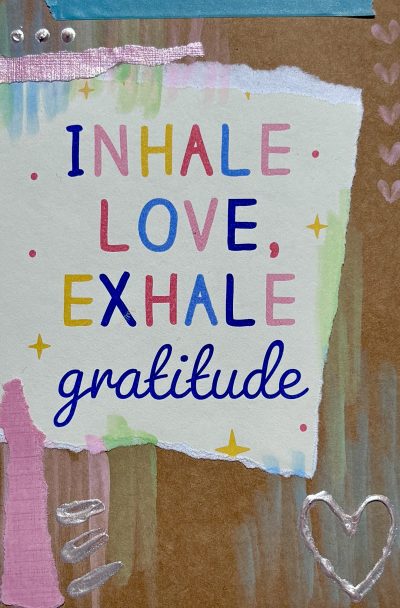
That message isn’t going to come from social media or TV adverts. So we have to take that power back for ourselves.
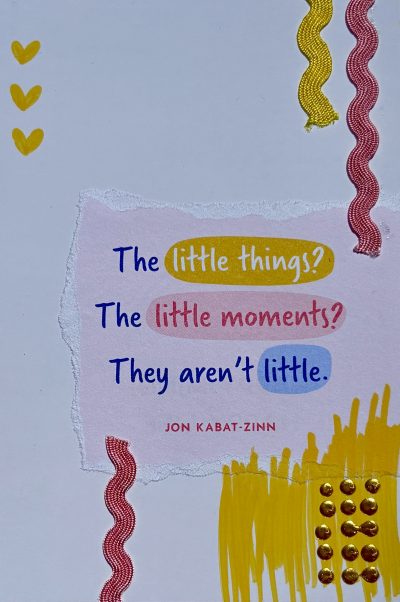
Practising gratitude isn’t about pretending everything is fine. It’s about gently shifting our attention toward what is still good, still steady, still nourishing. The sound of birds in the morning. The sip of a cold drink on a hot day. The way the sky looks just before it gets dark. A moment of laughter. A warm hand. A deep breath.
And there’s real science behind why this matters. Neuroscience shows that gratitude activates the brain’s reward pathways, particularly the prefrontal cortex and the ventral striatum, areas linked to emotional regulation and motivation. When we practise gratitude regularly, the brain begins to rewire itself through neuroplasticity. Over time, it becomes easier to notice positives, easier to feel grounded, and easier to access moments of calm. Gratitude doesn’t erase hardship, but it strengthens the parts of the brain that help us cope with it.







Leave A Comment